Geethva Weaves Handloom Guide

How Handloom Sarees Are Made

Discover the traditional journey of a handloom saree, from carefully selected fibres to the final woven drape. Geethva Weaves celebrates India's handloom heritage by sharing the craft, patience, and artistry behind every authentic weave.

The Handloom Saree Making Process

Each stage contributes to the feel, finish, durability, and beauty of the final saree.

1. Selection of Raw Materials

The quality of a handloom saree begins with the right raw material. Weavers choose fibres based on the intended texture, weight, fall, and occasion for the saree.

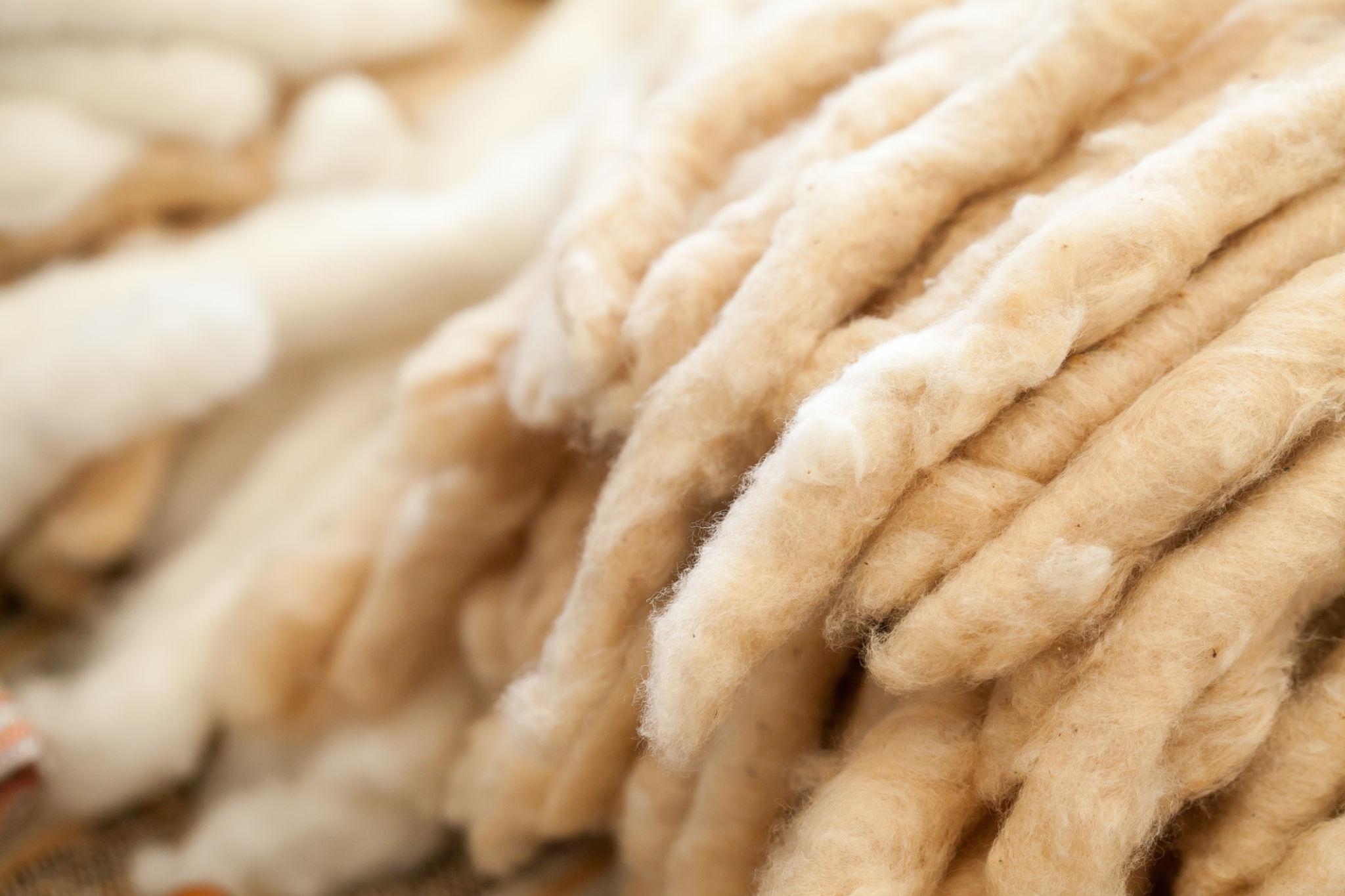
  1. Cotton
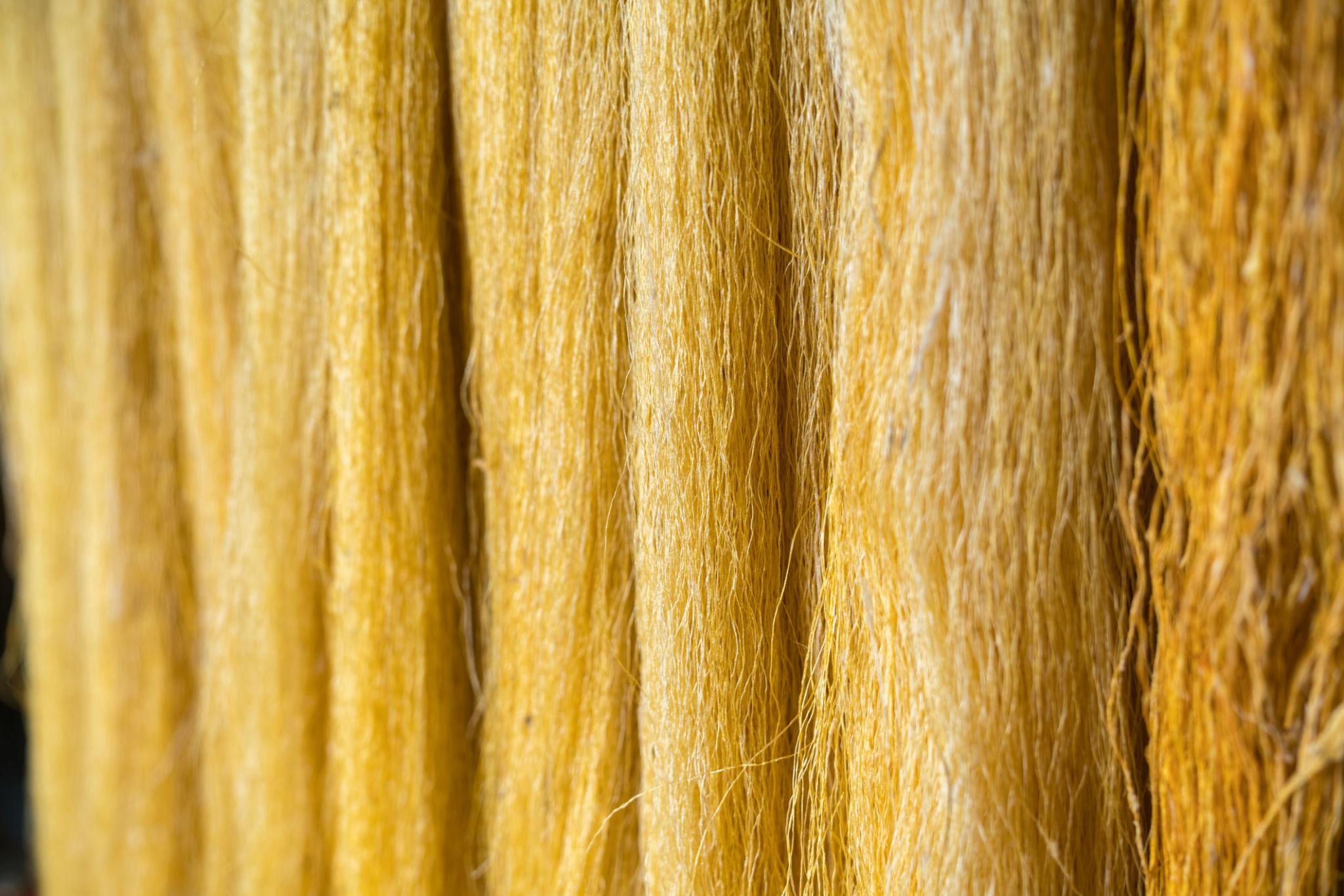
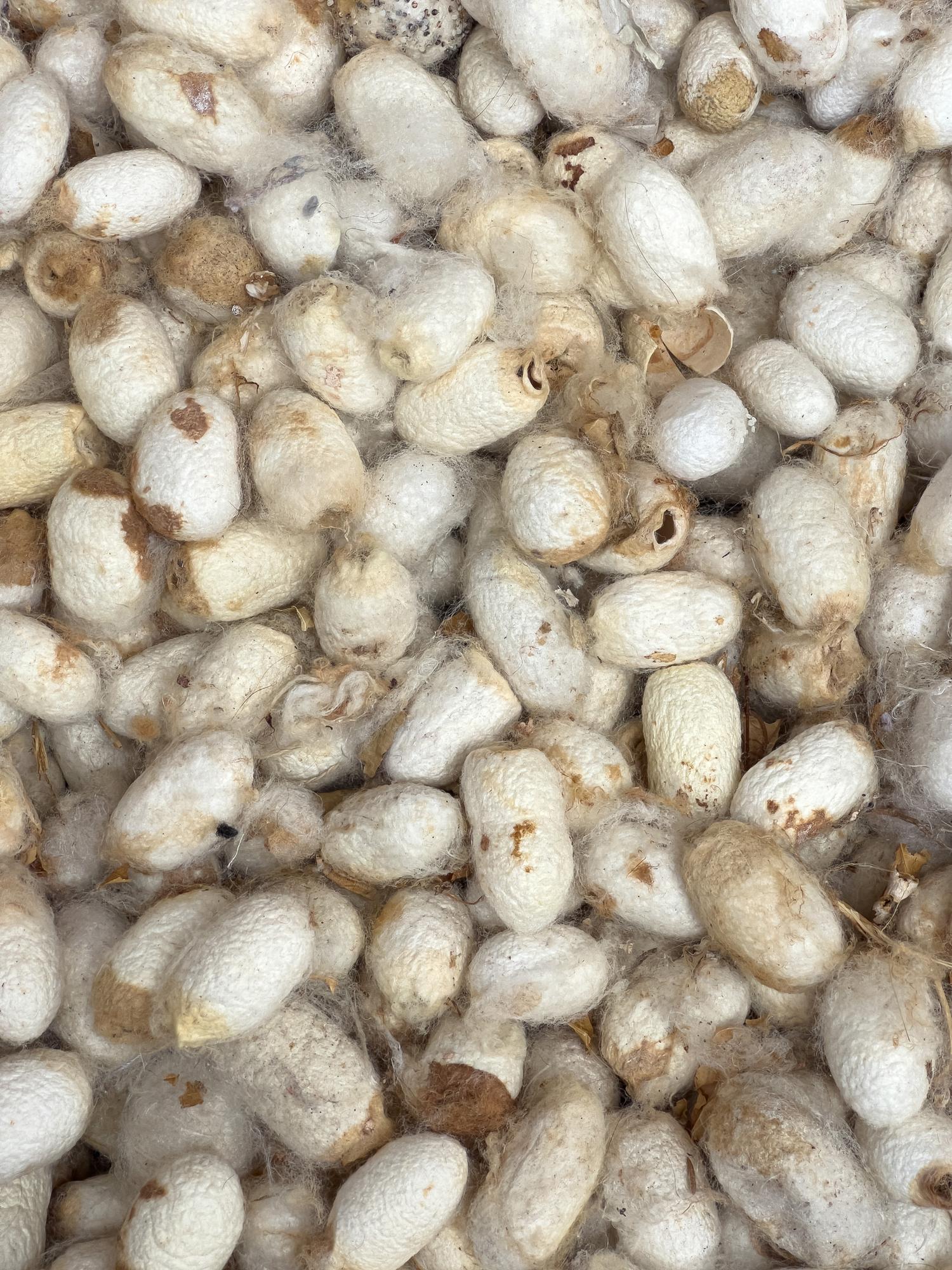
  2. Silk
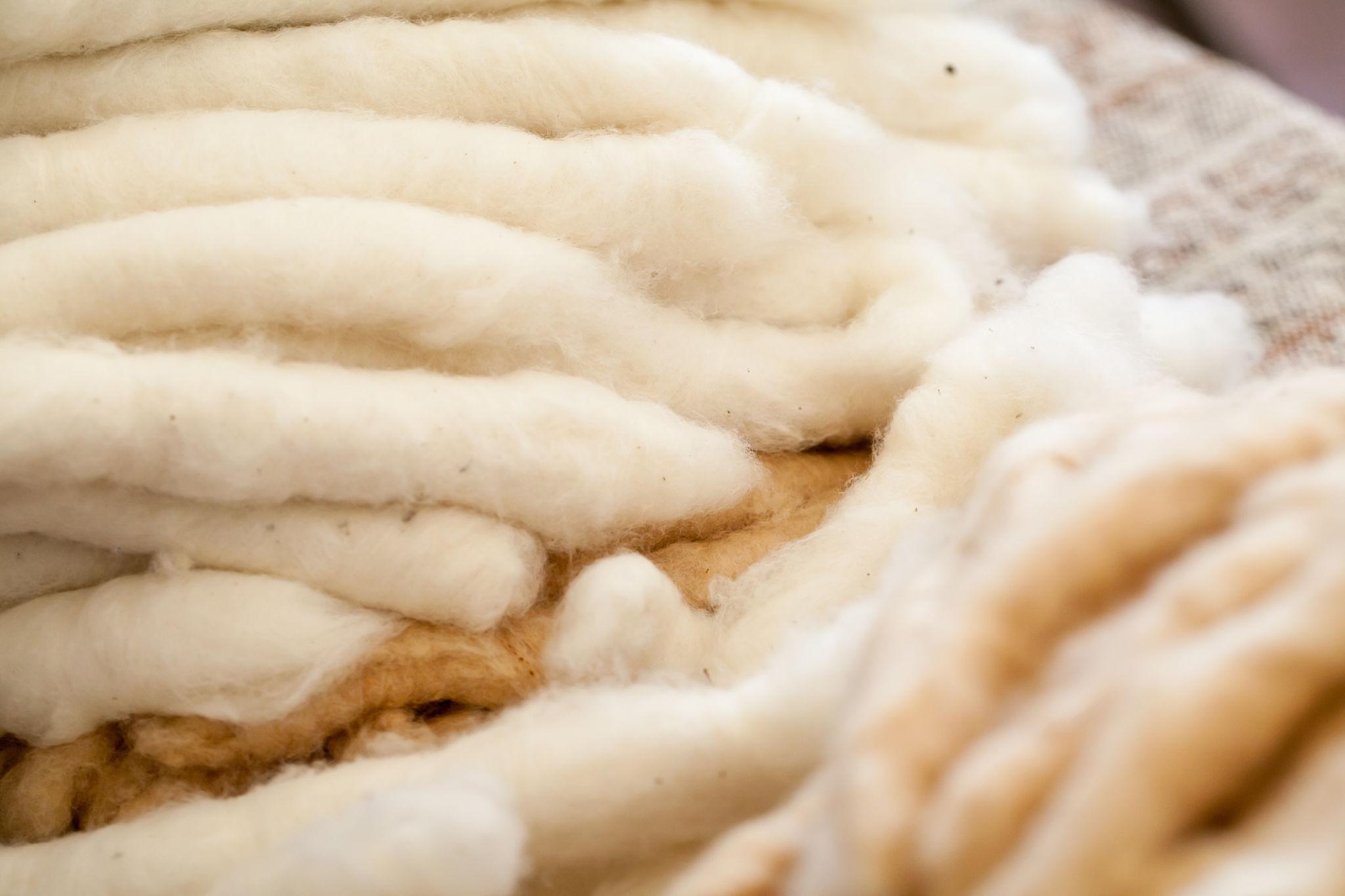
  3. Wool
  4. Linen

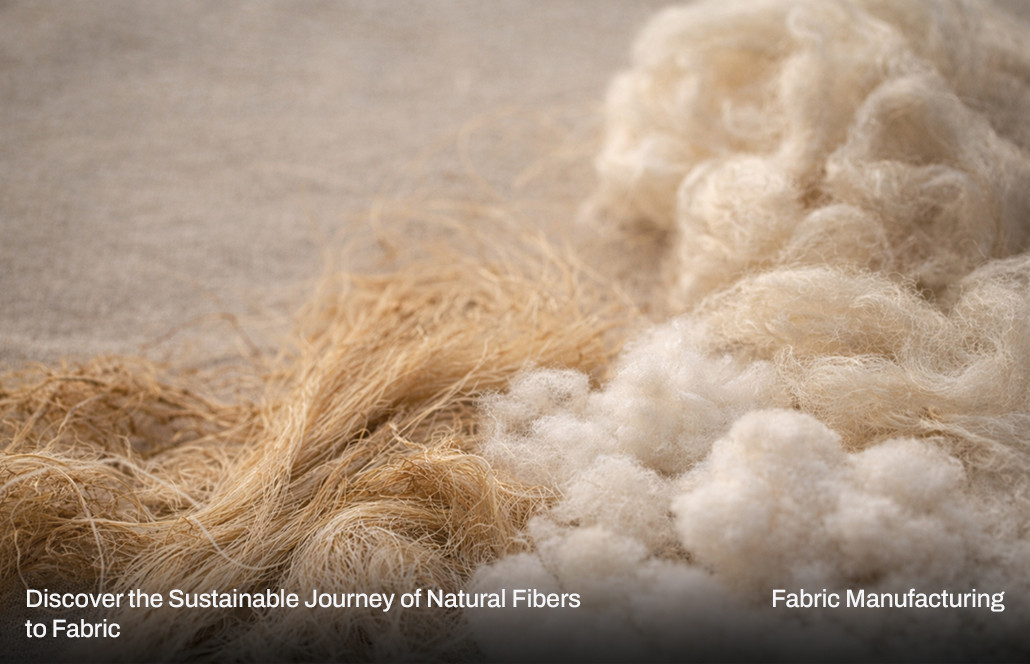
Cotton is one of the most widely used natural fibers in handloom weaving. Cotton fibers are obtained from the cotton plant and spun into yarn. Cotton sarees are known for their comfort, breathability, and softness, making them ideal for daily wear, especially in warm climates.
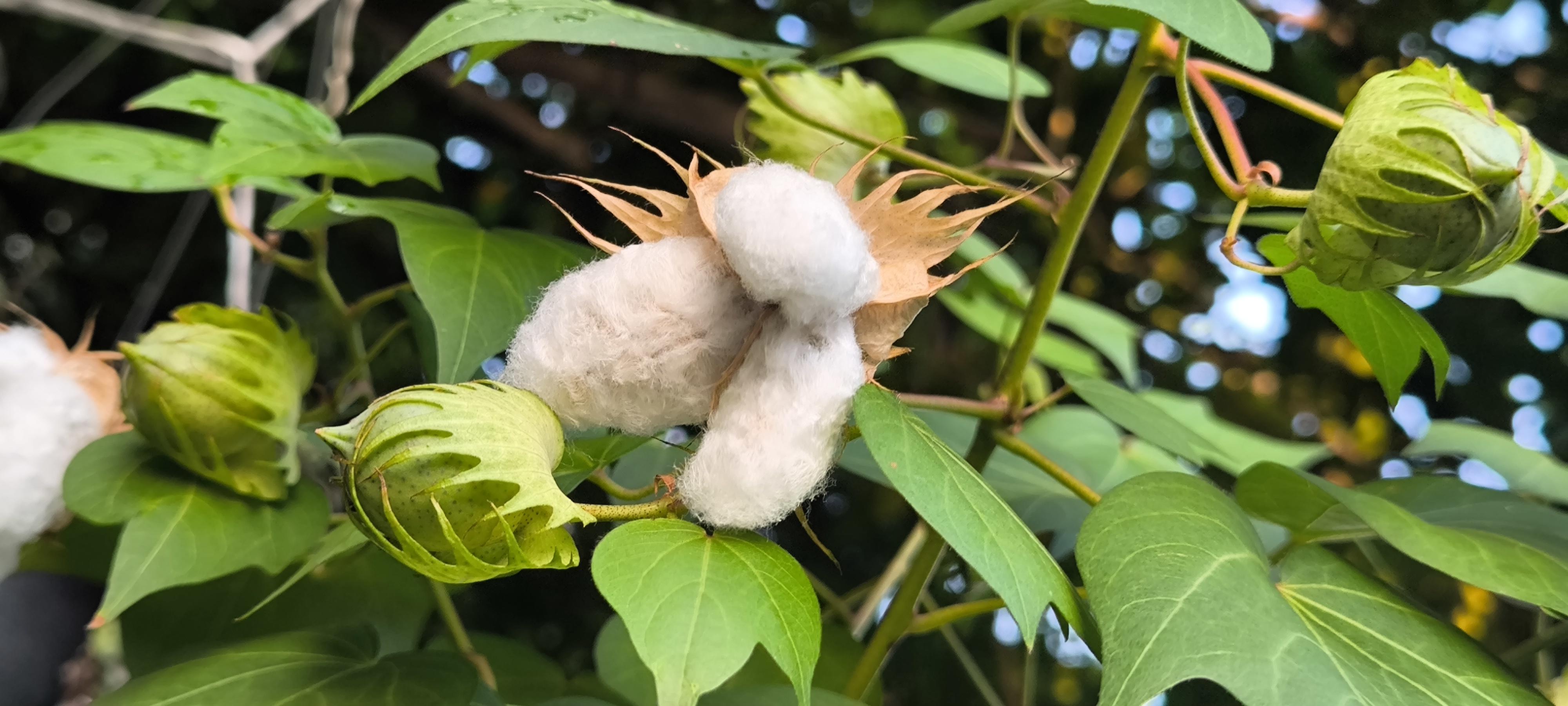
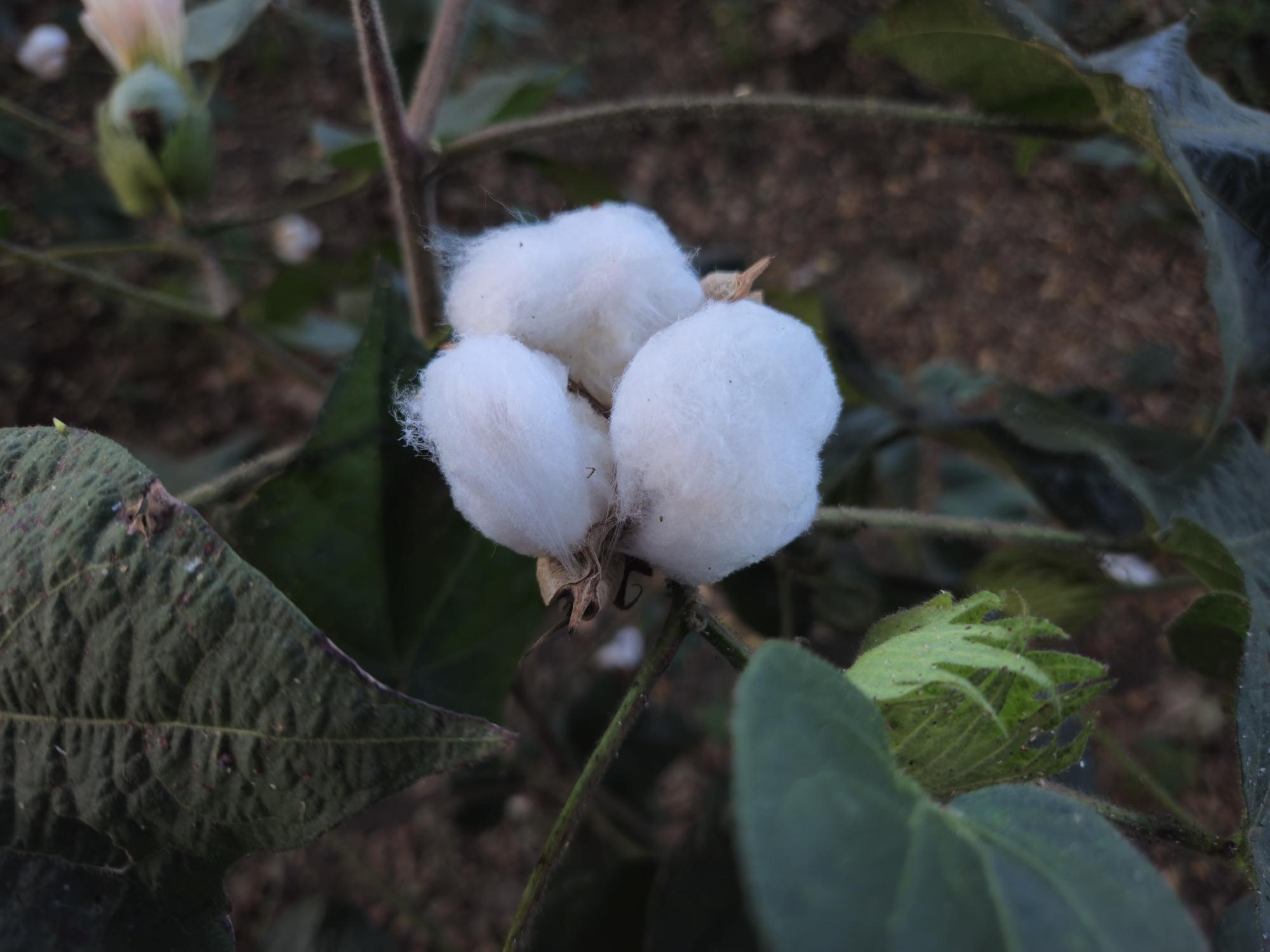
Cotton fibre used as a raw material for handloom sarees
Cotton yarn material prepared for handloom weaving
Cotton raw material selected for handloom saree production
Cotton textile fibre displayed for weaving preparation

Silk is a luxurious natural fiber produced by silkworms. The fibers are extracted from silkworm cocoons and spun into fine silk yarn. Silk sarees, also known as Pattu sarees, are valued for their natural shine, smooth texture, and rich appearance.
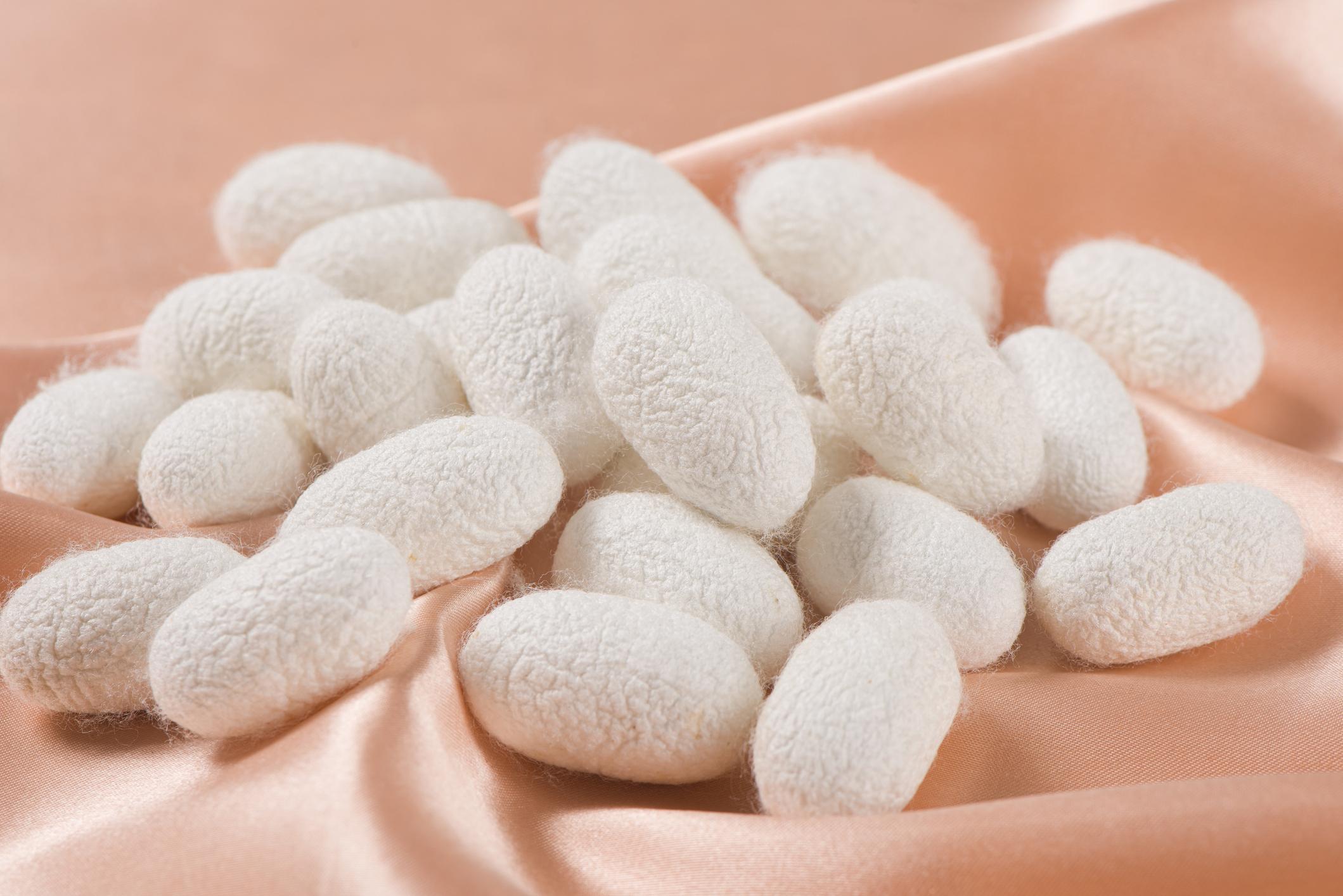
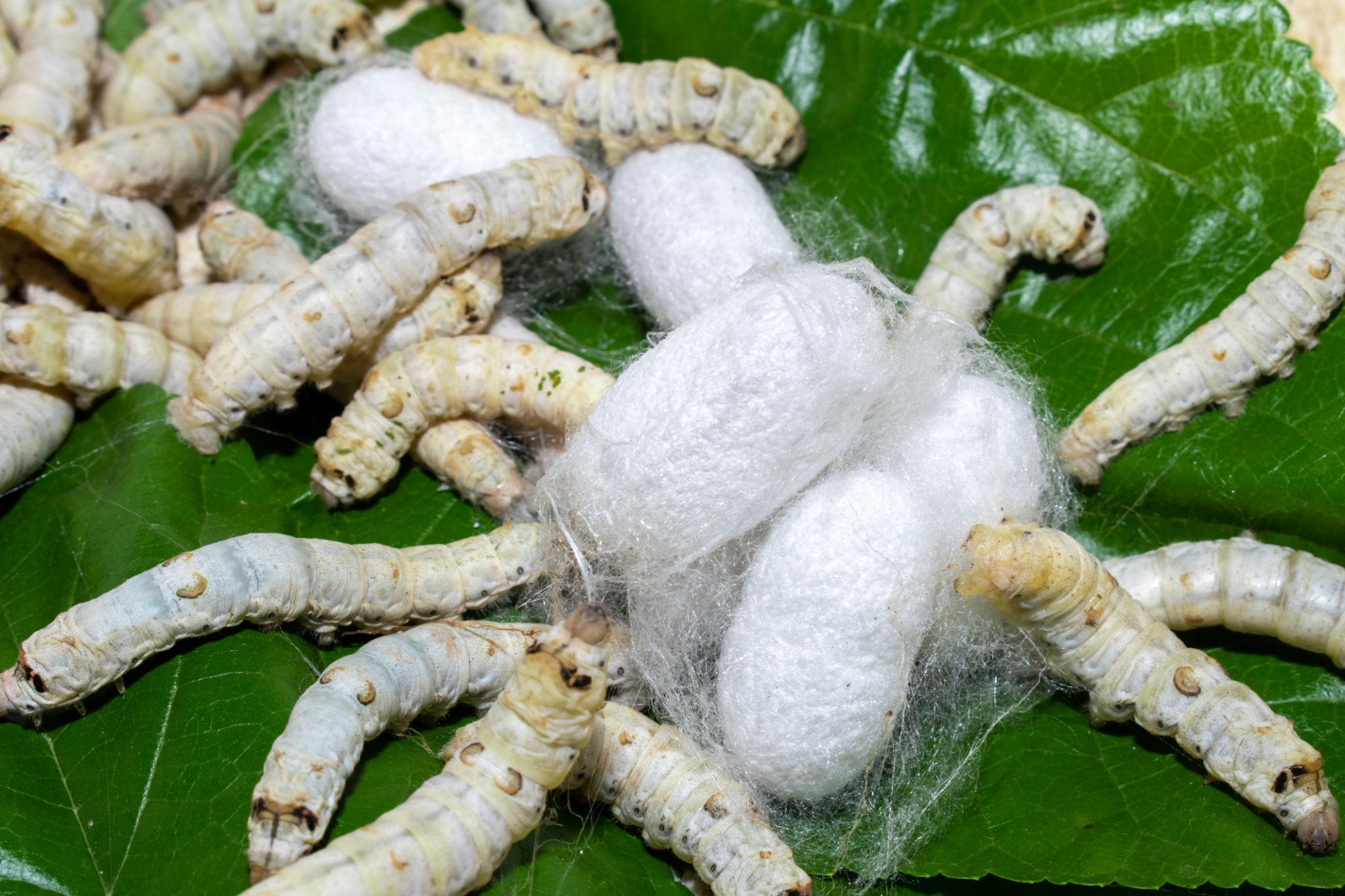
Silk fibre selected for premium handloom sarees
Silk yarn used in fine handloom saree production
Silk material prepared for traditional weaving
Pure silk raw material used for handloom textiles

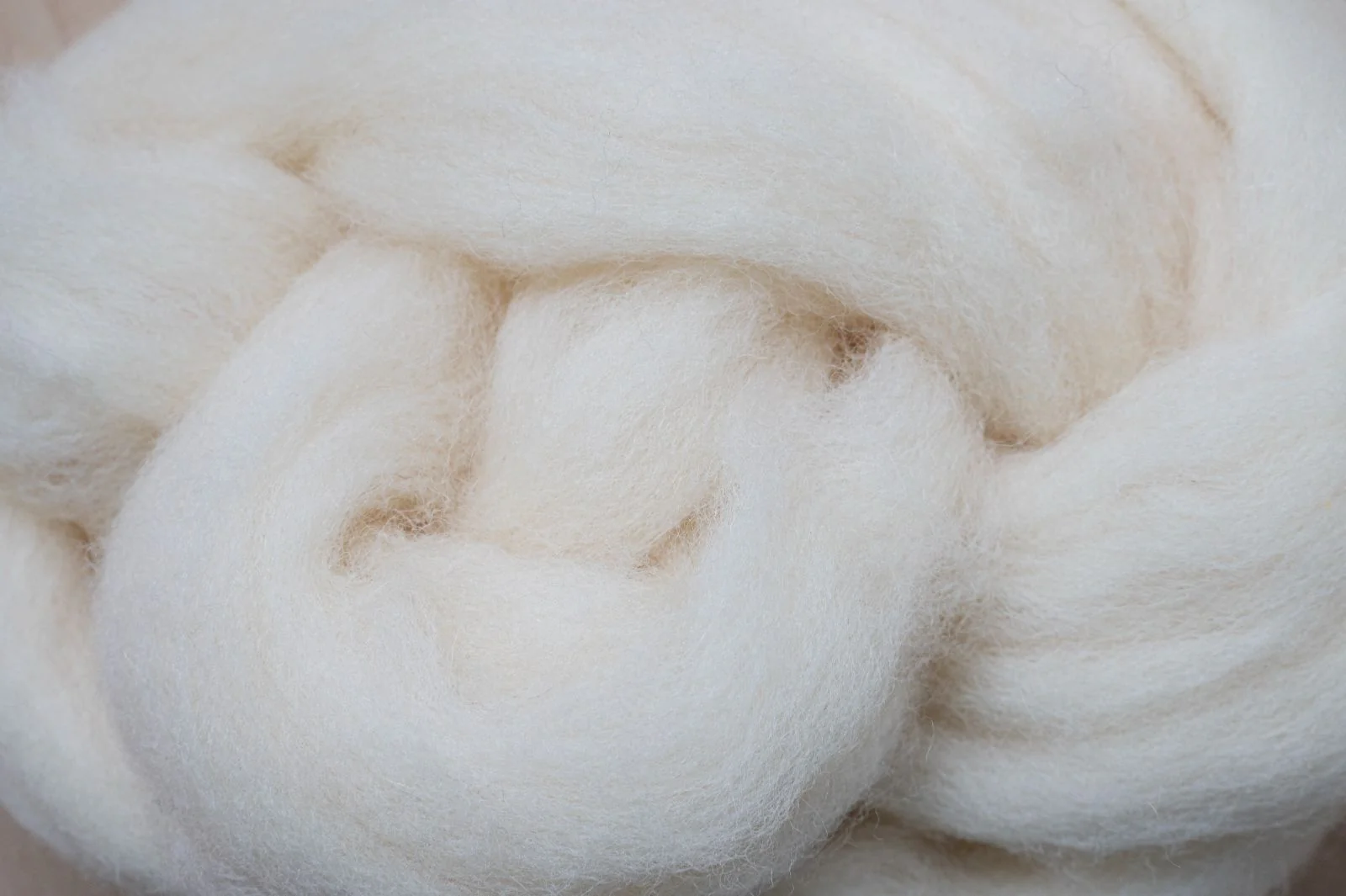
Wool is obtained from the fleece of sheep and other animals. After shearing, the fibers are cleaned, spun, and woven into yarn. Wool fabrics are known for their warmth, softness, and durability.
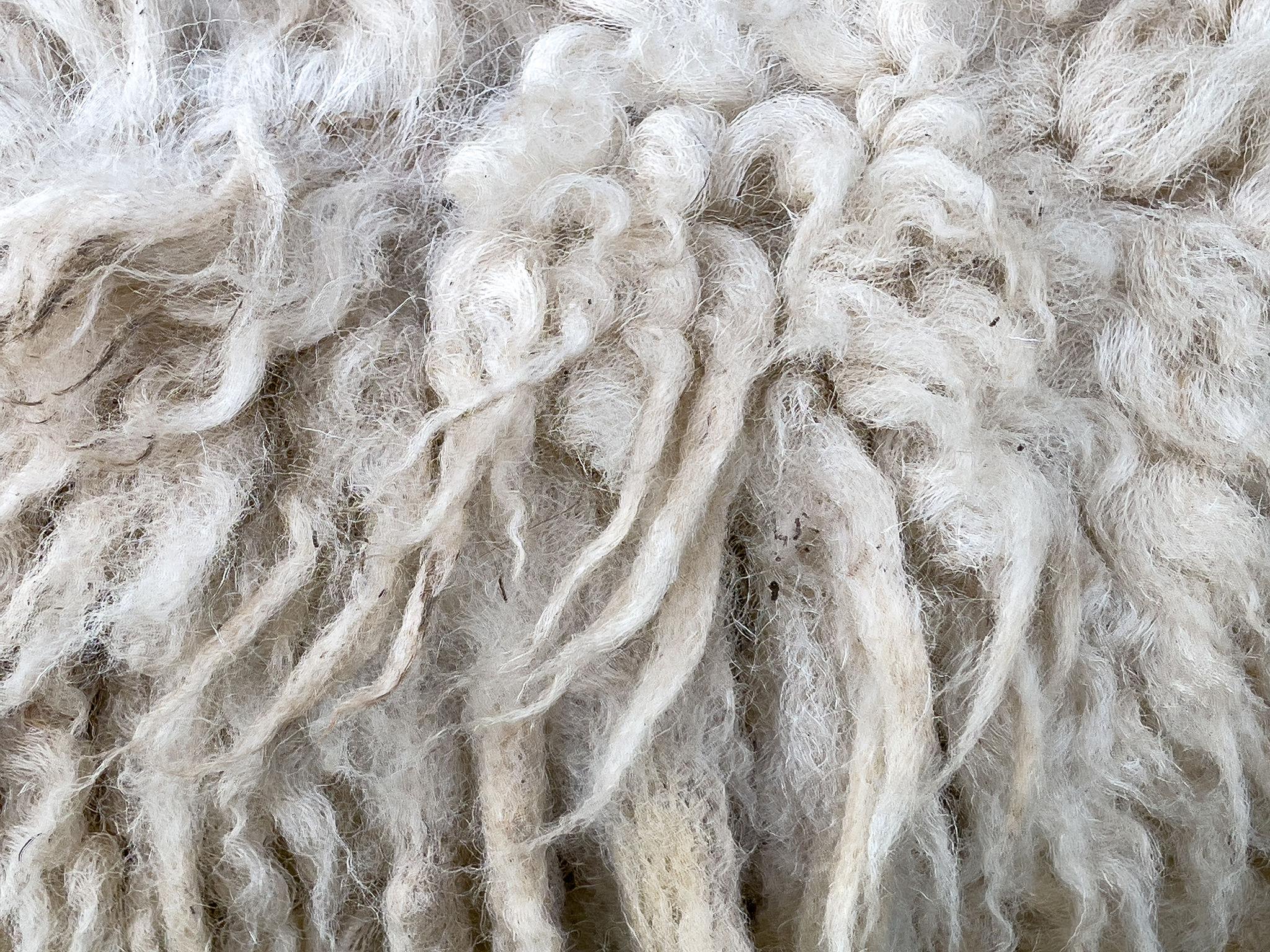
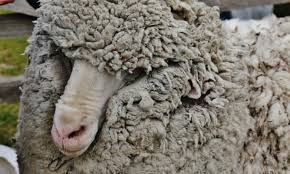
Wool fibre used in handloom textile weaving
Wool yarn prepared as a weaving raw material
Wool textile material selected for loom preparation
Wool fibre sample for artisan weaving work

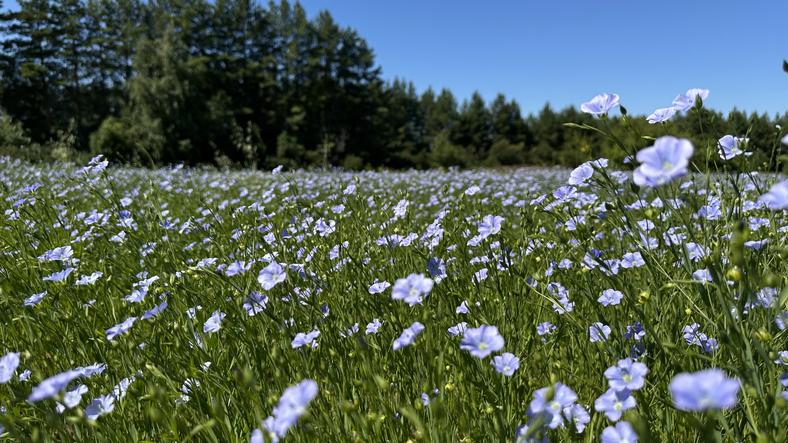
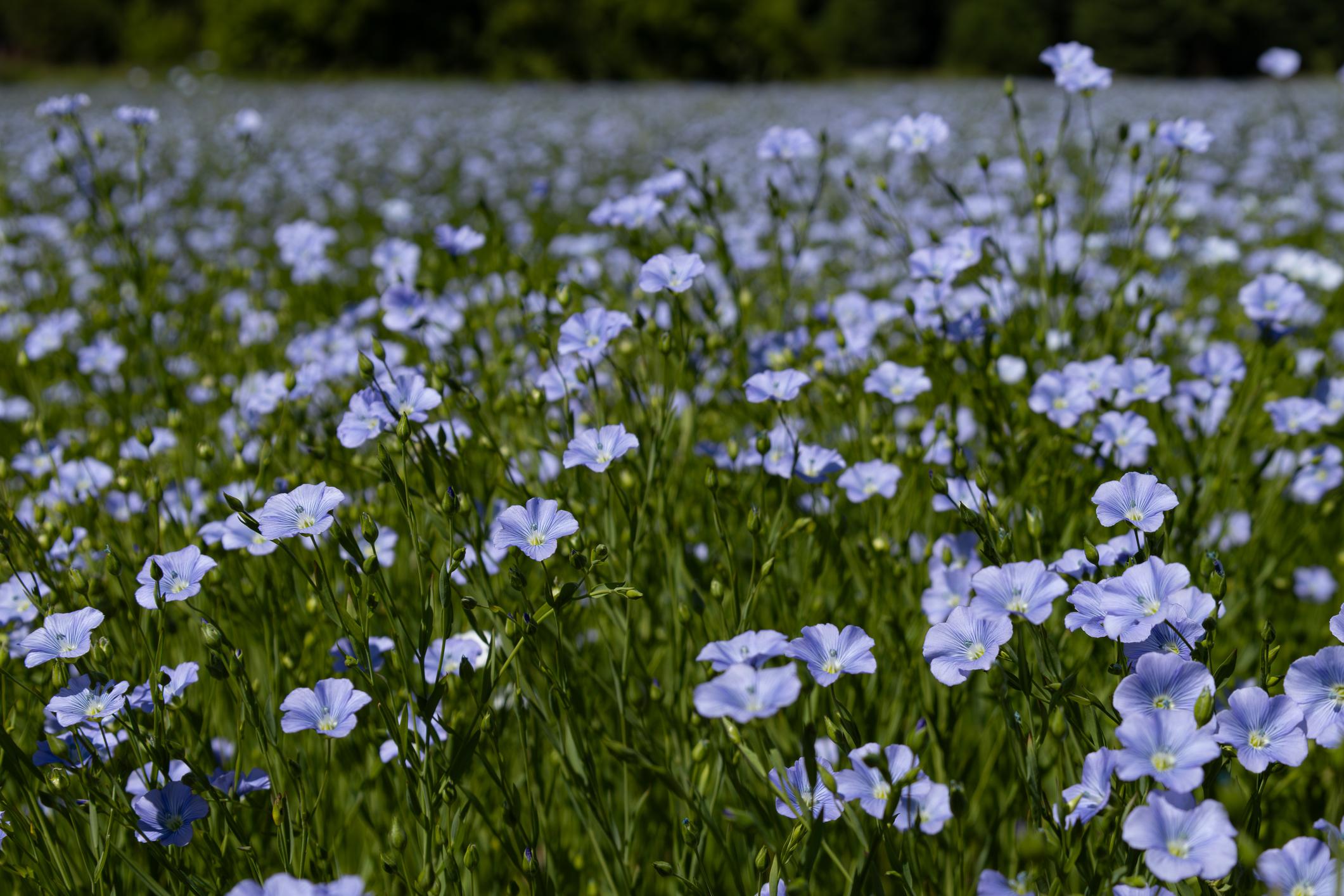
Linen is made from fibers of the flax plant. It is one of the oldest textile fibers in the world. Linen fabric is known for being lightweight, breathable, and strong, making it popular for summer clothing and premium textiles.
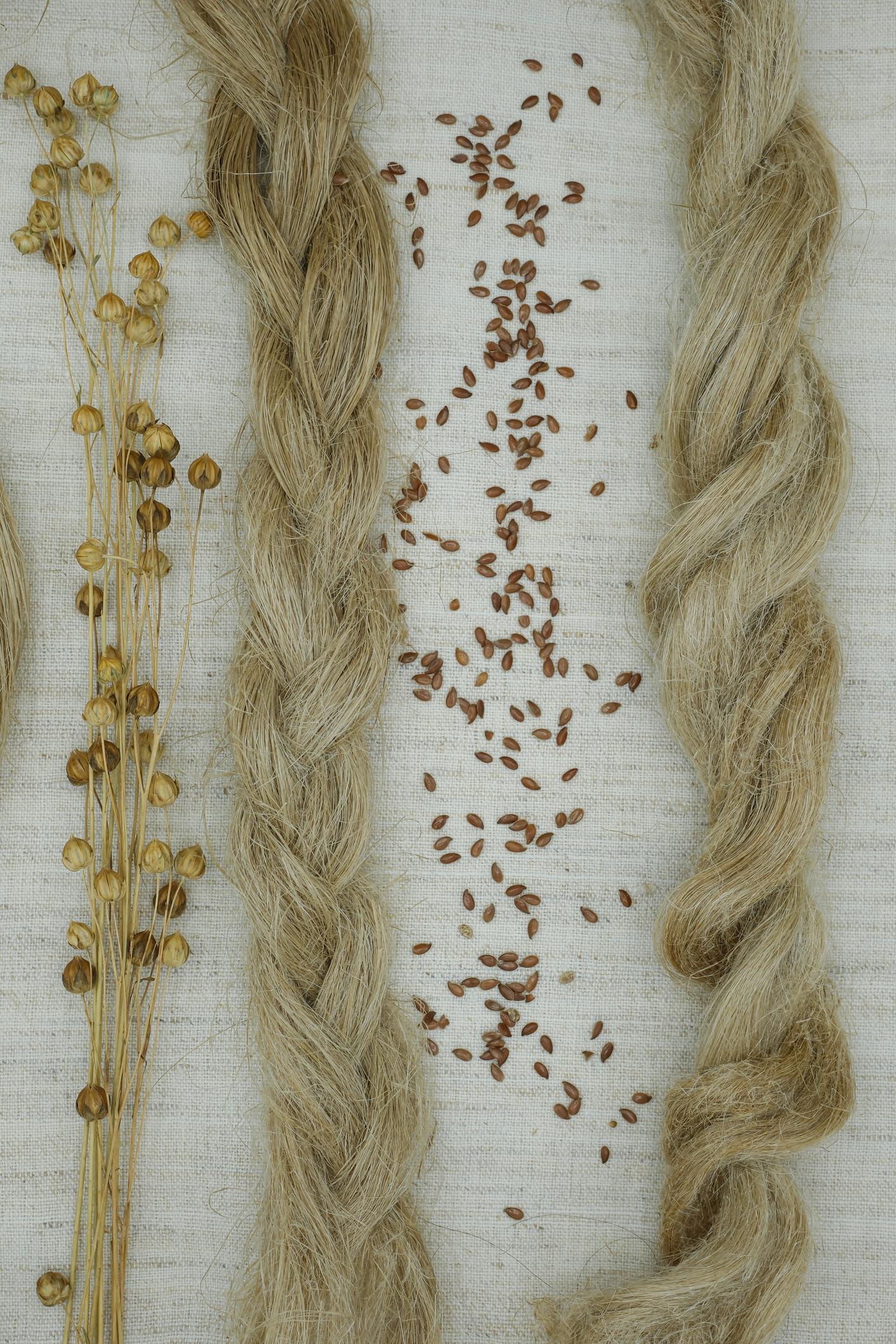
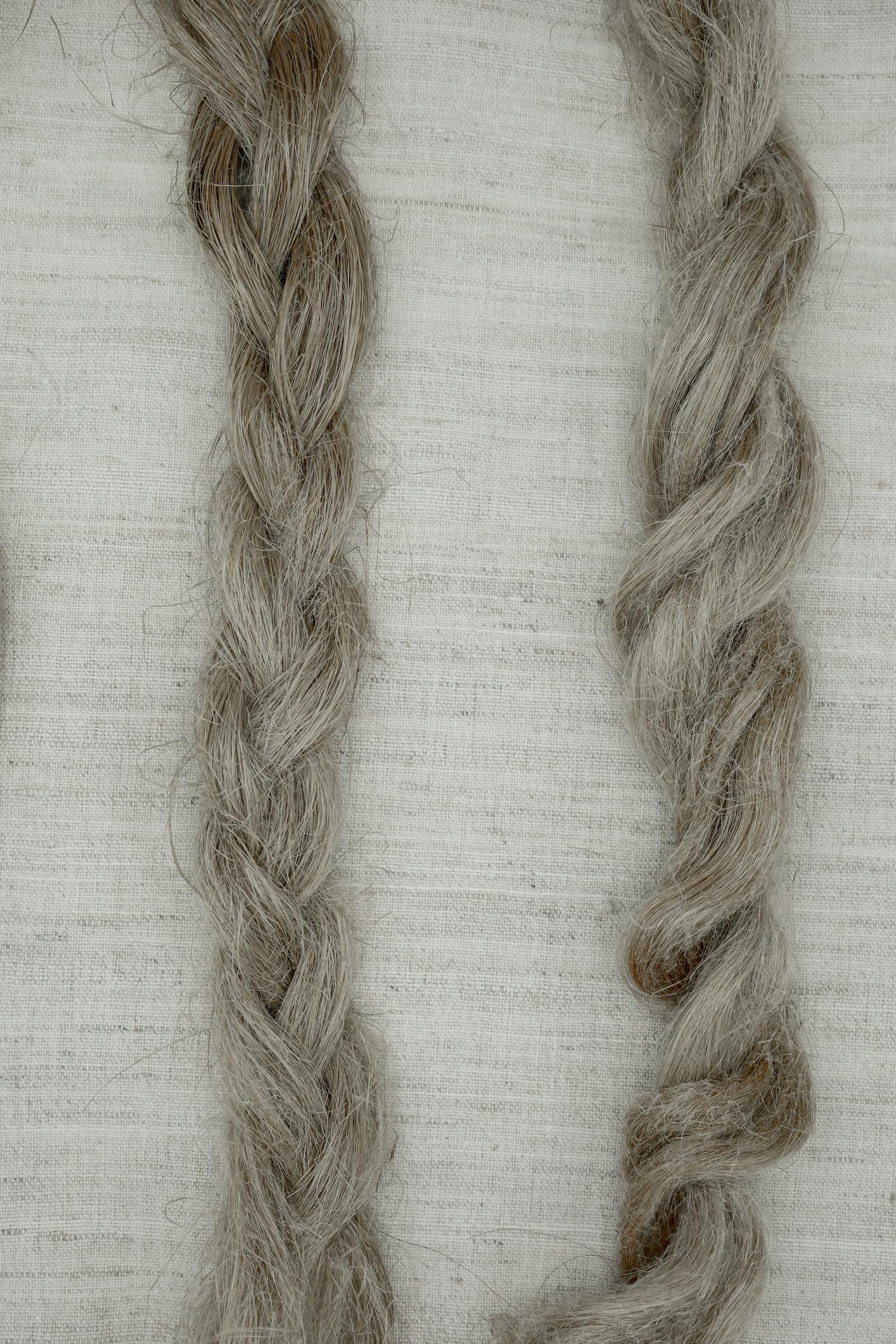
Linen fibre chosen for breathable handloom fabrics
Linen yarn prepared for handloom weaving
Linen raw material used in natural textile production
Linen fibre displayed for saree weaving preparation

2. Yarn Preparation

Yarn preparation is an important step before the weaving process begins. The yarn must be carefully arranged and prepared so that it can move smoothly through the loom during weaving.

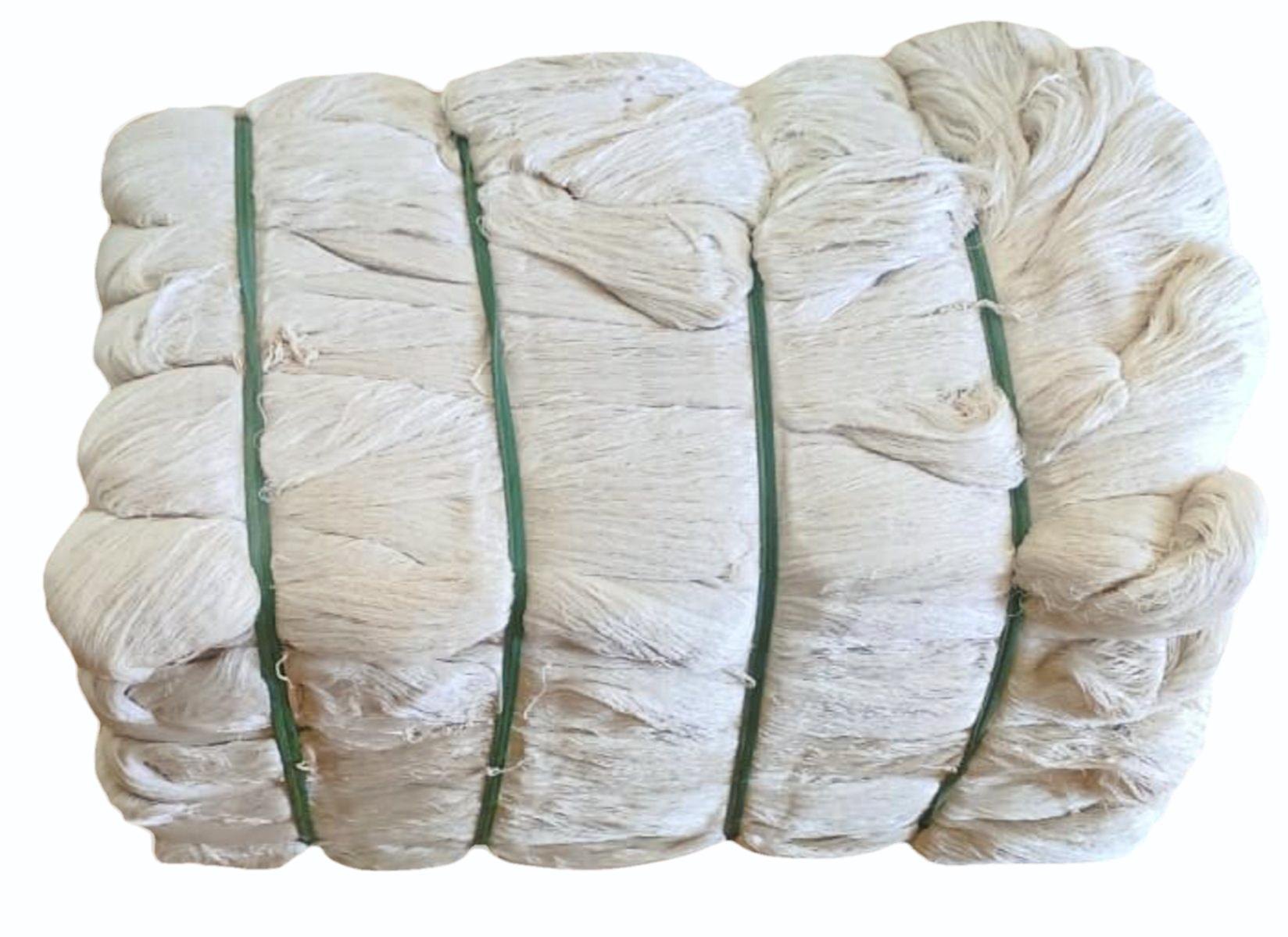
During this stage, the yarn is inspected, cleaned if necessary, and organized so it can be used efficiently in the next steps of the handloom process such as dyeing, winding, and warping. Proper preparation ensures that the yarn remains smooth, untangled, and strong enough for weaving.

Careful yarn preparation helps maintain the quality, strength, and uniformity of the fabric that will be woven on the handloom.

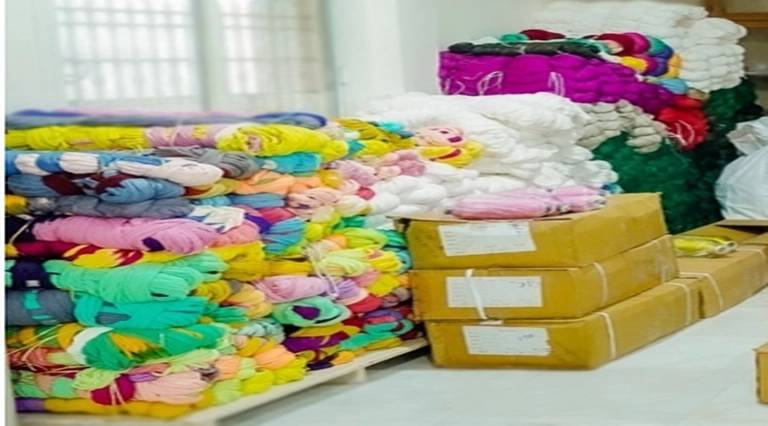
White hank yarn bundles arranged for measurement and yarn count preparation

3. Dyeing the Yarn

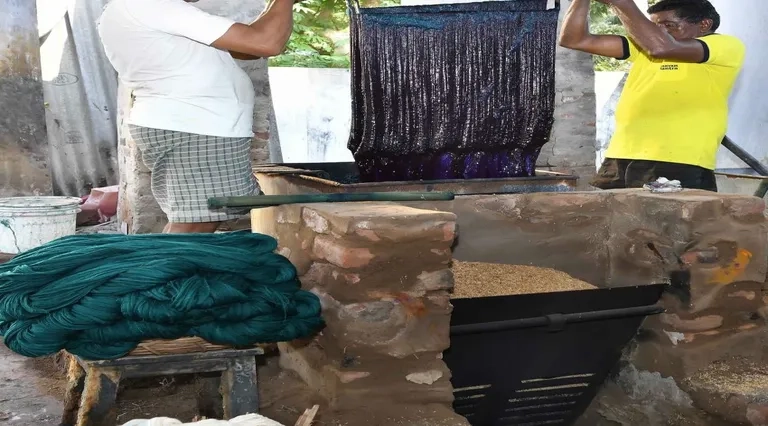
Dyeing gives the saree its colour identity and visual richness. The yarn must be dyed evenly so that the final weave looks balanced across the body, border, and pallu.

Natural Dyes

Natural dyes are derived from sources such as tree bark, flowers, leaves, and minerals. They are valued for their earthy tones and heritage appeal.

Chemical Dyes

Chemical dyes used in weaving may include direct, sulphur, napthol, vat, and reactive dyes. These are chosen for colour fastness, brightness, and suitability for different fibres.

Dyed yarn prepared in colour for the handloom weaving process

4. Hand Spinning

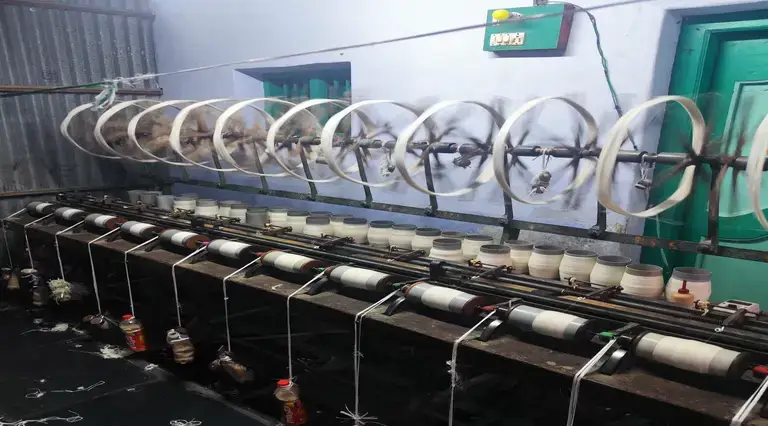
Spinning is the process of converting raw cotton fibre into yarn on a cone.

Spinning can be done in two ways:

  1. Direct hand spinning of cotton fibers from yarn to cone.

    Direct hand spinning of cotton fibres from yarn to cone
  2. Mechanical and Human based spinning of cotton fibers from yarn to cone.

    Mechanical and human based spinning of cotton fibres from yarn to cone

5. Warping

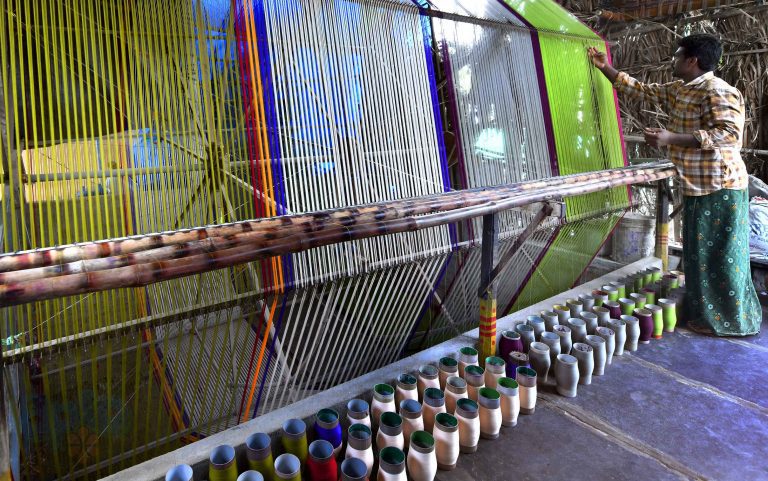
Warping is the process of arranging the lengthwise threads that form the structural base of the saree. These threads are measured, grouped, and aligned on a warping drum with precision so the loom can operate evenly.

Warping process with threads aligned for loom preparation

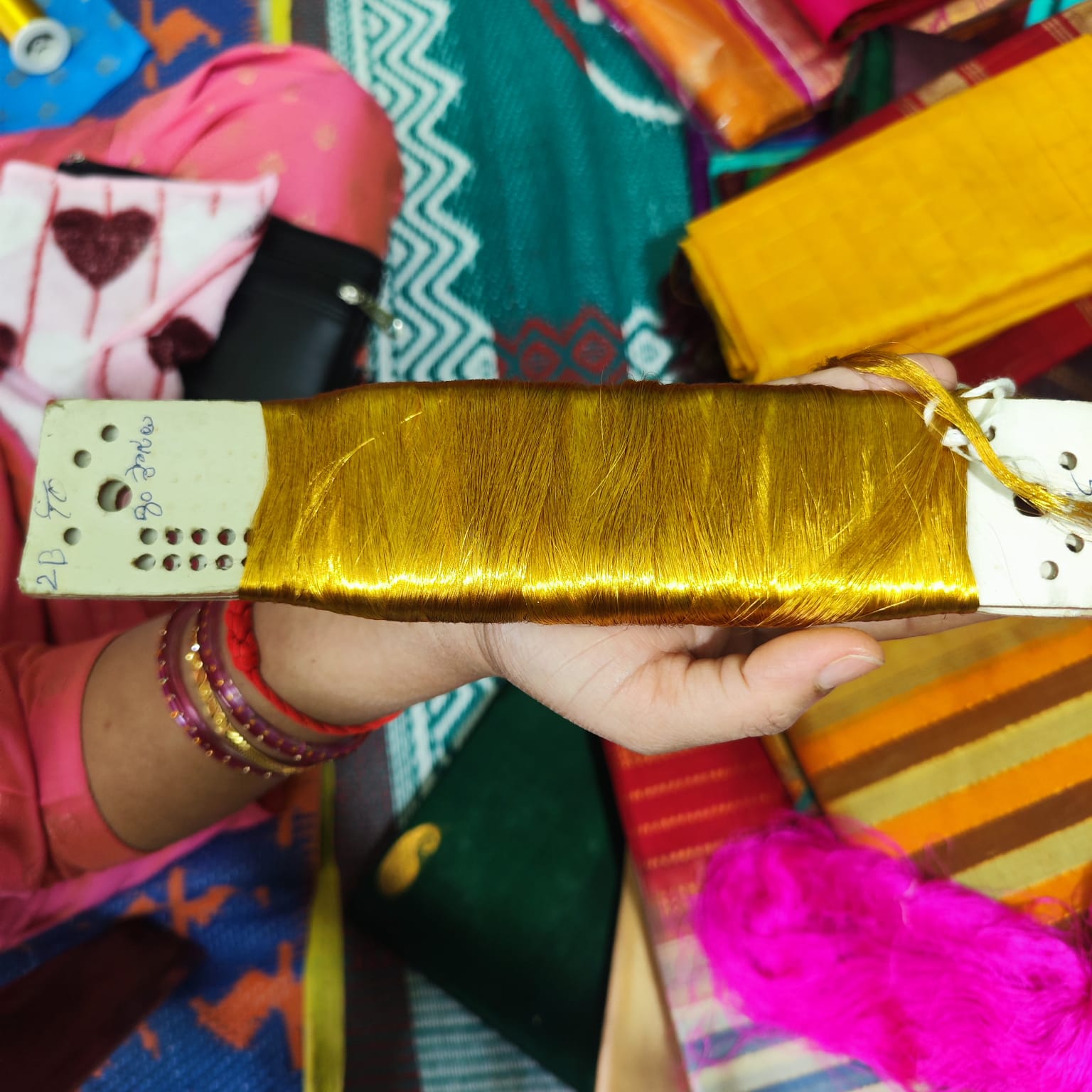
6. Yarn Hank Preparation

Yarn hank preparation organizes the yarn after dyeing so it can move smoothly into the next weaving stages. The yarn is handled carefully to avoid tangling and to maintain even tension for loom setup.

In this stage, the hank is prepared for winding and further loom work so the yarn remains clean, balanced, and ready for efficient processing.

Yarn hank preparation showing organised hank yarn ready for further weaving steps

7. Weft Preparation

The weft yarn is wound onto a pirn, which is then placed inside the shuttle. During weaving, the shuttle carries the weft thread back and forth across the warp to build the saree fabric.

Weft preparation showing pirn winding and shuttle setup for weaving

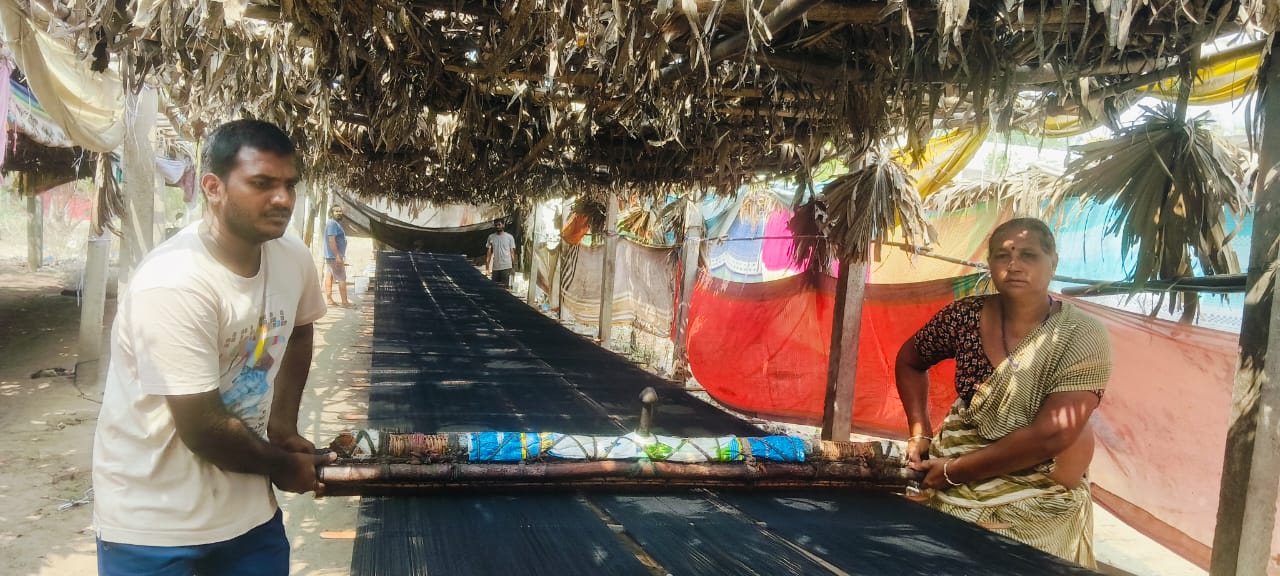
8. Street Sizing

Street sizing strengthens the warp before weaving. A traditional starch mixture made from rice is applied to the yarn, often blended with coconut oil or groundnut oil to improve flexibility, reduce breakage, and support smoother loom movement.

Street sizing preparation using pagada yarn bundles for weaving

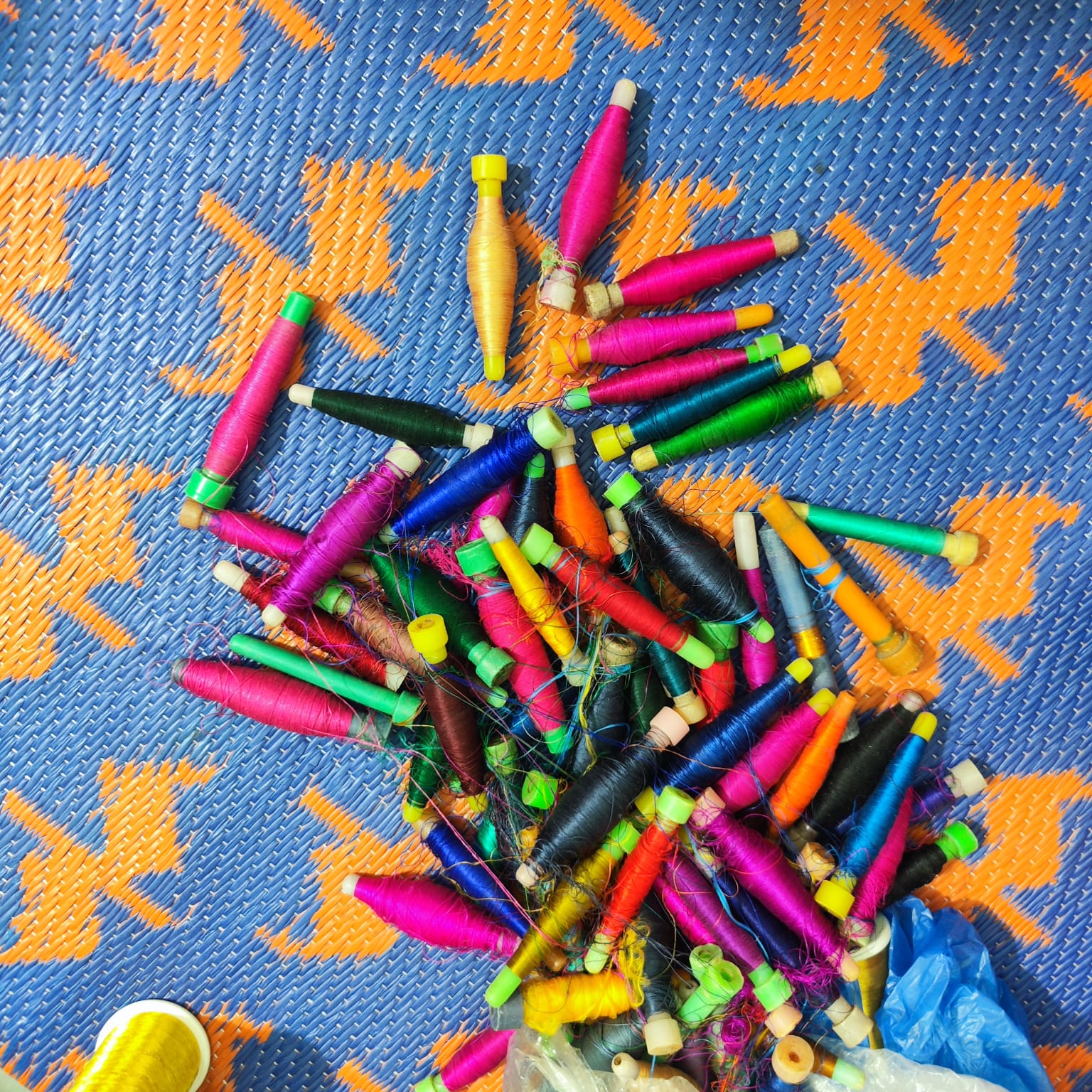
9. Bobbin Winding

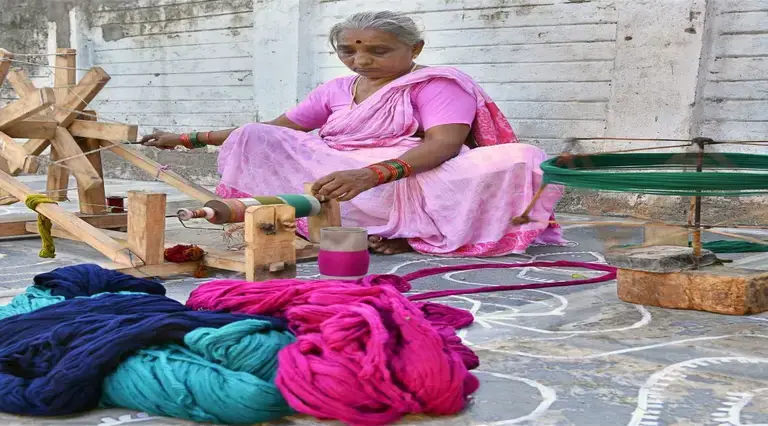
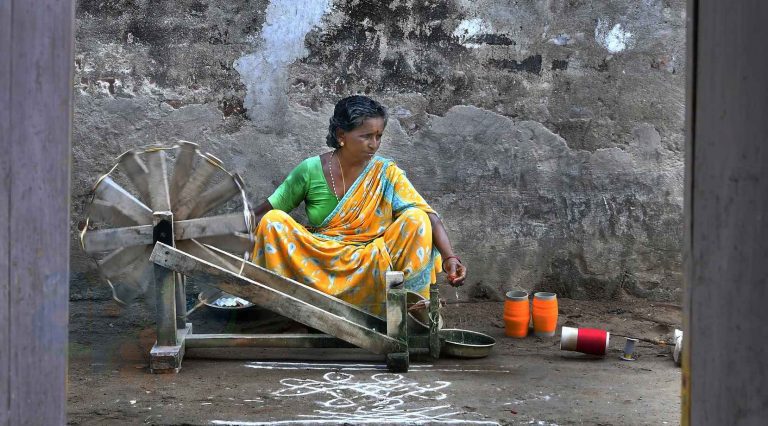
Once the yarn is dyed and dried, it is wound from the hank form onto bobbins. This process is done using a traditional spinning wheel called a charkha.

Bobbin winding converts loose yarn into organized lengths that can be used for weaving. In many weaving communities, this task is traditionally carried out by women in the weaver's household.

Bobbin winding process transferring dyed yarn from hank form onto bobbins
Bobbin used to hold wound yarn for weaving preparation
Shuttle used in the weaving process after bobbin winding

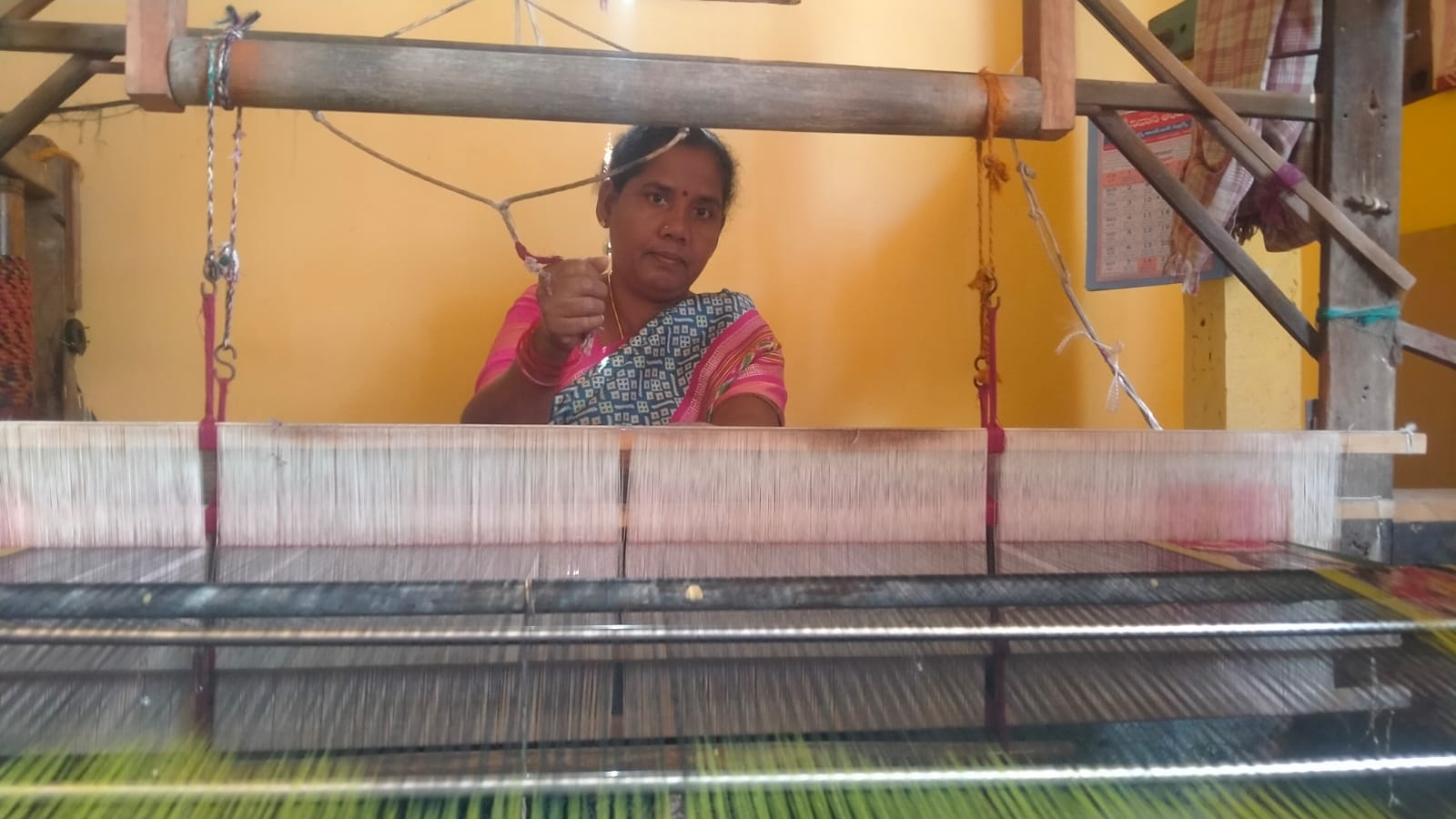
10. Weaving

The saree is created by interlacing warp and weft threads on the handloom. Every movement of the loom is controlled by the weaver, who manages rhythm, tension, design placement, and finish by hand. This is what gives handloom sarees their distinctive texture and individuality.

Traditional weaving process on a handloom

Explore Authentic Handloom Sarees

Browse Geethva Weaves collections to discover sarees shaped by heritage techniques, artisan skill, and thoughtful design.

View Collection